If you are considering changing the kitchen in your home or installing a new kitchen, the choice of material for the countertop is an important decision.
At Cocinas Plus we'll guide you so you can learn more about the different kitchen countertop materials we can install, as well as its advantages and disadvantages of each of them.
You can also find inspiration for adapting the countertop material to your kitchen design.
Remember that at Cocinas Plus we specialize in the design, manufacture and installation of designer kitchens.

We could say that the best material for a kitchen countertop is one that is versatile, affordable, resistant to the passage of time and that matches any type and structure of kitchen. Unfortunately, this material doesn't exist, although there are materials that adapt to the kitchen's aesthetics, its functionality, and are resistant to the passage of time.
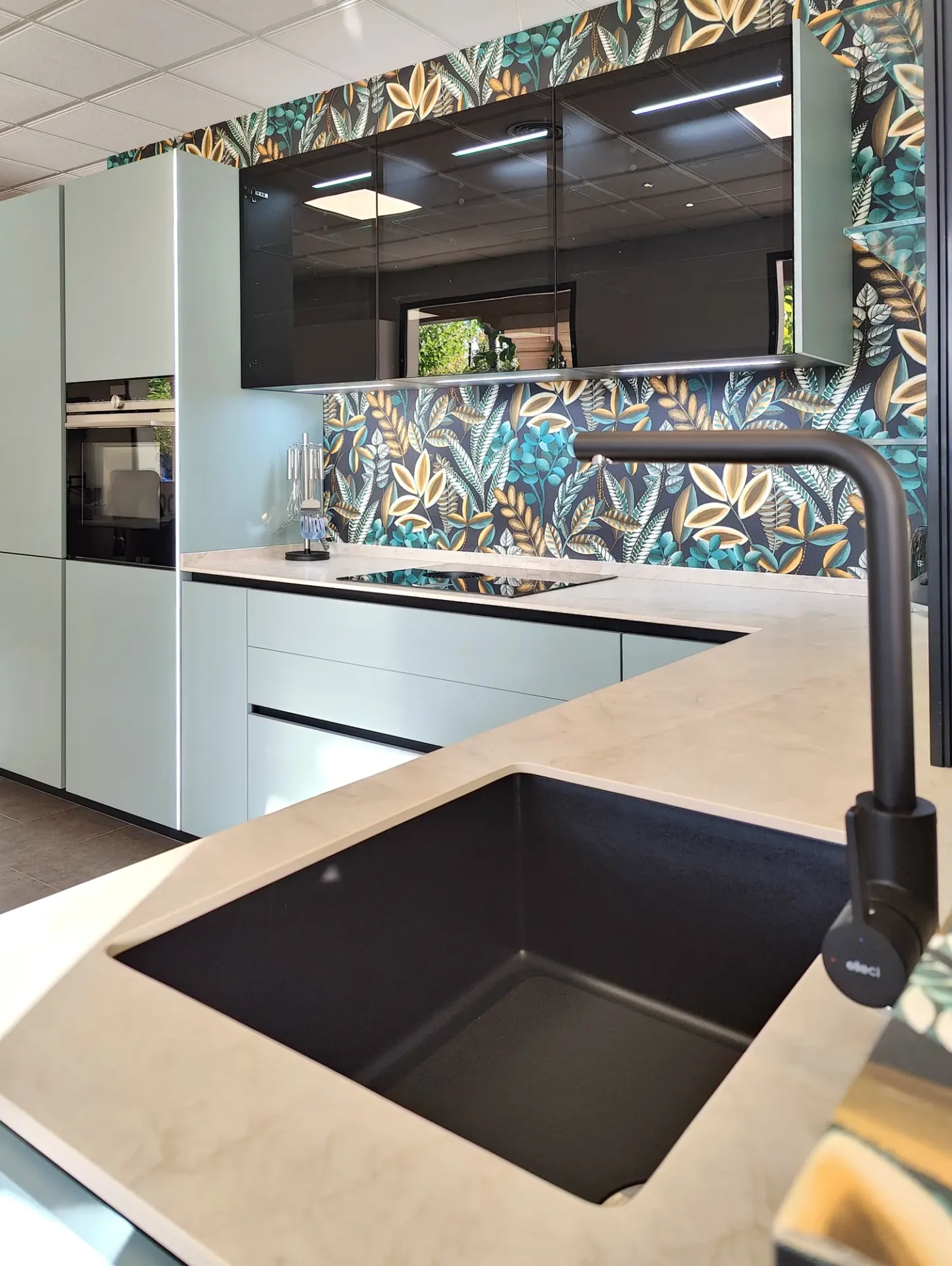
Each kitchen has a different approach and style, so each material, whether due to its appearance or shape, will adapt better or worse to the aesthetics and structure of the kitchen.
The materials for installing kitchen countertops are diverse, as are the different porosities:
Porous countertop materials generally tend to have a more elegant aesthetic than non-porous materials, such as granite or marble. These types of materials are very temperature resistant and over time, so they are common in kitchens where the use of hot pots and pans is frequent. On the other hand, it is a material that requires a regular maintenance and cleaningBecause it is porous, it is more likely to accumulate dust or liquid.
They must be sealed once installed and after its installation, once annually.
They are also usually very durable materials and have the advantage of being very easy to clean and maintain due to its low porosity smooth surface They repel any type of liquid or stain and are very easy to clean. These materials do not require regular sealing; however, they do not usually have the visual appeal of natural stone and can have a more monotonous and uniform appearance.
As a general rule, all materials intended for kitchen countertops They are usually very durable and resistant materials, although they must be well cared for and sealed periodically over time.
At Cocinas Plus we will guide you through every step of your kitchen design so that the Choose a countertop material that suits your needs.
Next, we will list the best materials for kitchen countertops according to our criteria.
Porcelain material is characterized as a material of high hardness, which gives it great resistance to impacts and scratches.
One of its main characteristics is the low porosityThis gives it great resistance to stains, as it does not allow the penetration of liquids, a characteristic that makes it ideal for installation as a kitchen countertop.
It is heat resistantIt withstands high temperatures without damage and is immune to chemicals, protecting it from cleaning agents and acids that could damage other materials.
From an ecological perspective, porcelain is composed of natural materials, without resins or toxic products.

Granite is a highly durable material durable and resistantand can last for decades with proper care. It's an ideal material for kitchen countertops due to its durability bumps, scratches and high temperatures.
His impermeabilityWhen properly sealed, it is resistant to moisture, stains, and bacterial growth, making it a hygienic option. It is easy to clean and maintain.
Granite countertops are very elegant in a room, since natural stone offers diverse patterns, adding dynamism to the kitchen.
Granite is a expensive material and requires a suitable support structure due to its weight.
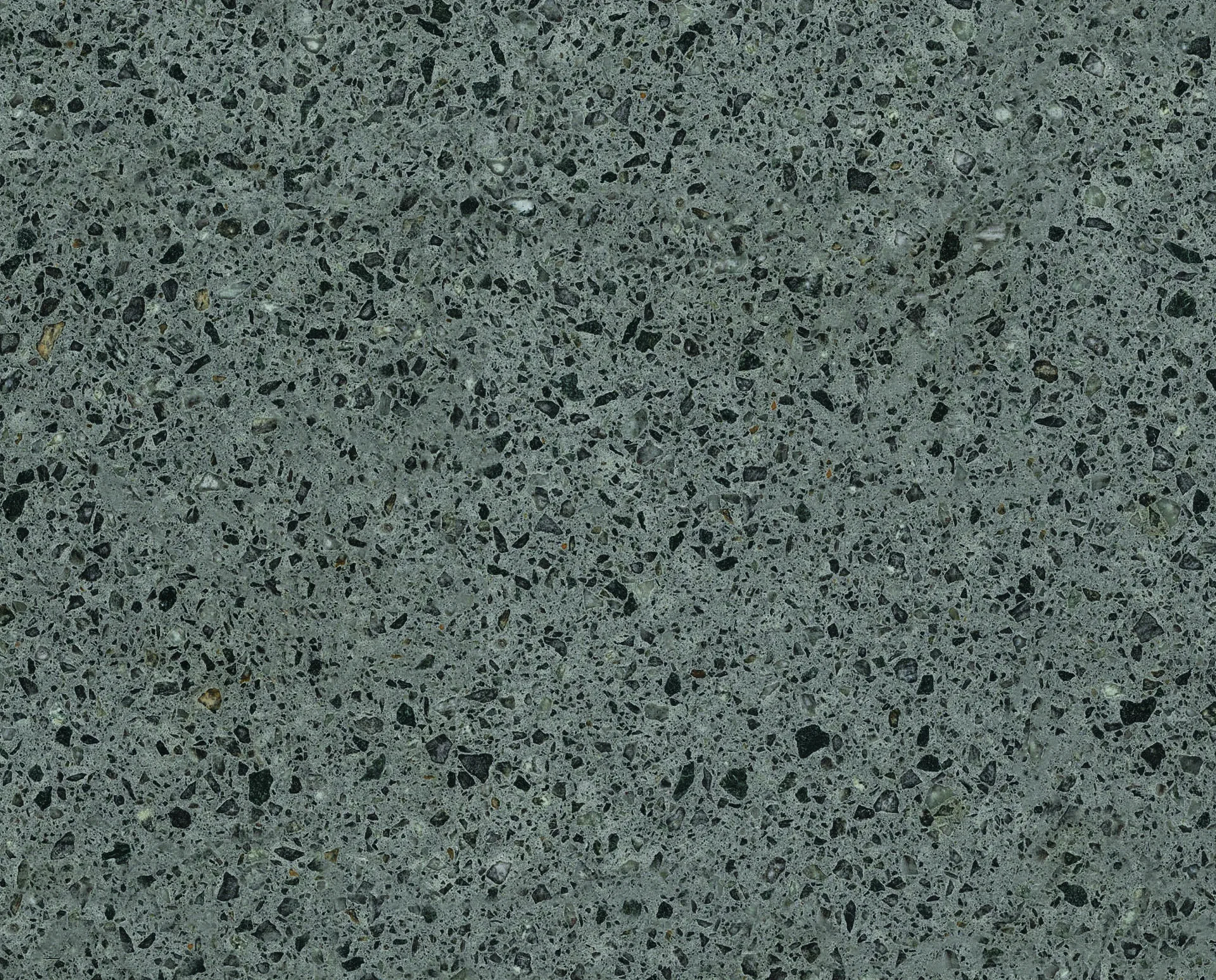
Marble is a popular choice for kitchen countertops because of its elegant and unique appearancewith natural veining that varies in color and pattern, and a wide range of tones such as white, gray, beige, and black glossy finish It brings brightness and sophistication to the space.
Marble is a very durable and resistant to high temperaturesAlthough it is softer than other materials such as granite, it is susceptible to scratches and wear if not properly cared for.
One of its most notable disadvantages is its high porosityThis makes it vulnerable to stains from liquids like wine or oil, so it's important to seal it periodically and clean it regularly with non-abrasive products. Despite these disadvantages, its fresh surface This makes it ideal for baking.
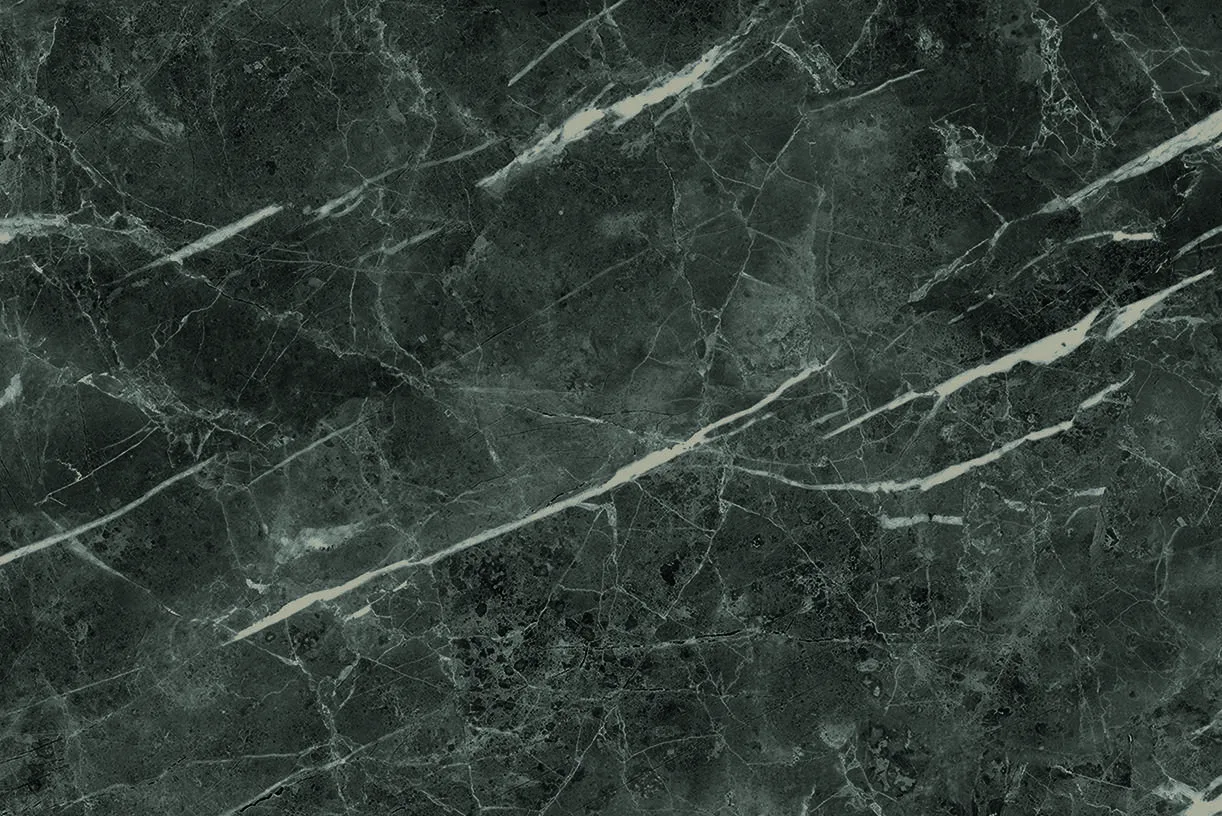
Natural wood is an attractive material for kitchen countertops because of its warm aesthetic and its ability to provide a unique and welcoming style, especially with hardwoods such as oak or teak, which offer good durability.
Furthermore, its restorative capacity through sanding and its sustainabilityWhen it comes from renewable sources, it makes it an environmentally friendly option.
Natural wood as a material for kitchen countertops also presents disadvantages, such as its sensitivity to humidityThis can cause warping or mold if not properly sealed, as well as making it vulnerable to scratches, dents, and extreme heat.
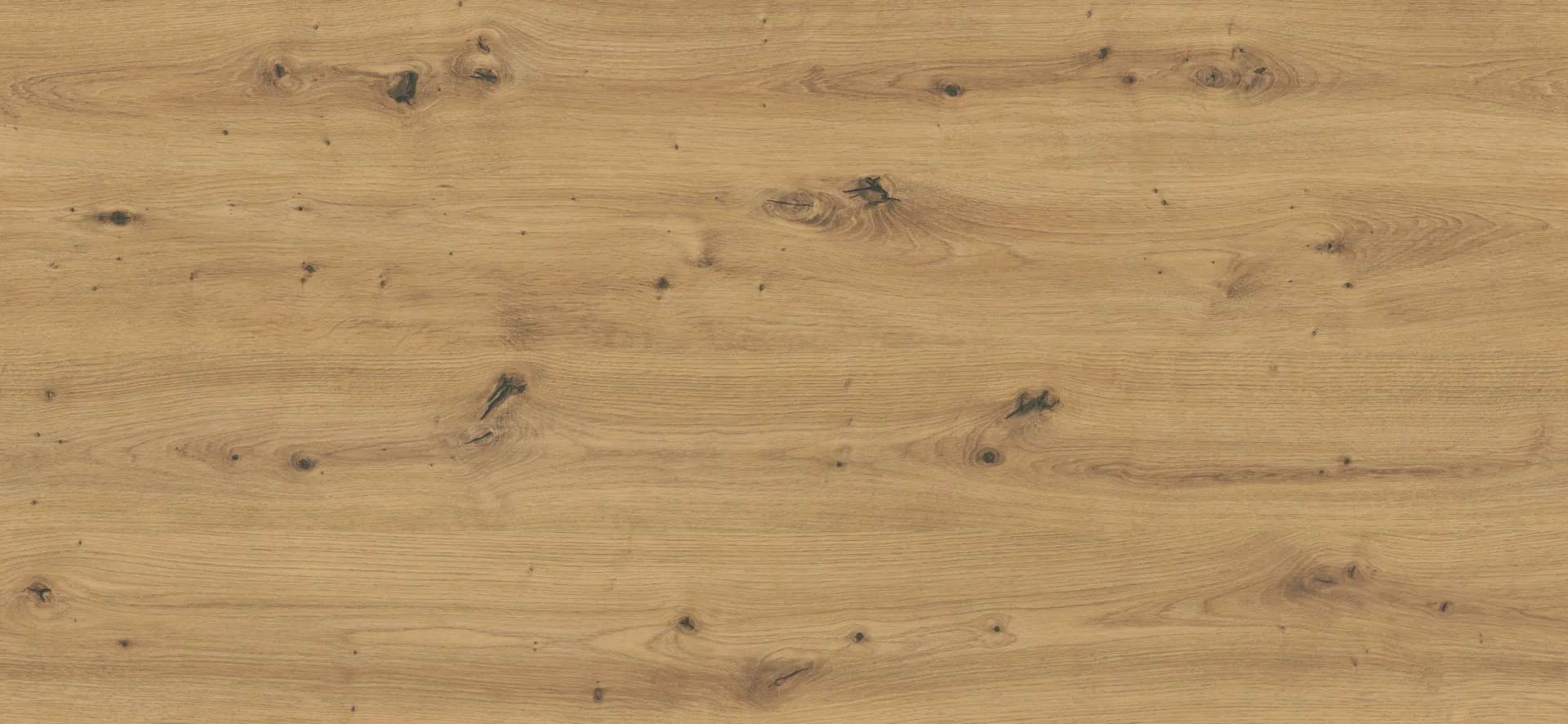
Laminate countertops are an option popular and economical for kitchens thanks to its wear resistanceease of maintenance and wide aesthetic variety:
They offer a moderate durability for daily use, withstanding bumps, light scratches and stains, although it is advisable to avoid cutting directly on its surface.
They are very easy to clean with water and mild soap, but abrasive products that could damage the finish should be avoided.
Aesthetically, they offer a wide variety of designs that imitate materials such as stone or wood, although they do not achieve the same tactile feel or durability.
Stainless steel countertops are an ideal choice for restaurant kitchens and are gradually being incorporated into home kitchens due to their durability, strength and ease of maintenance.