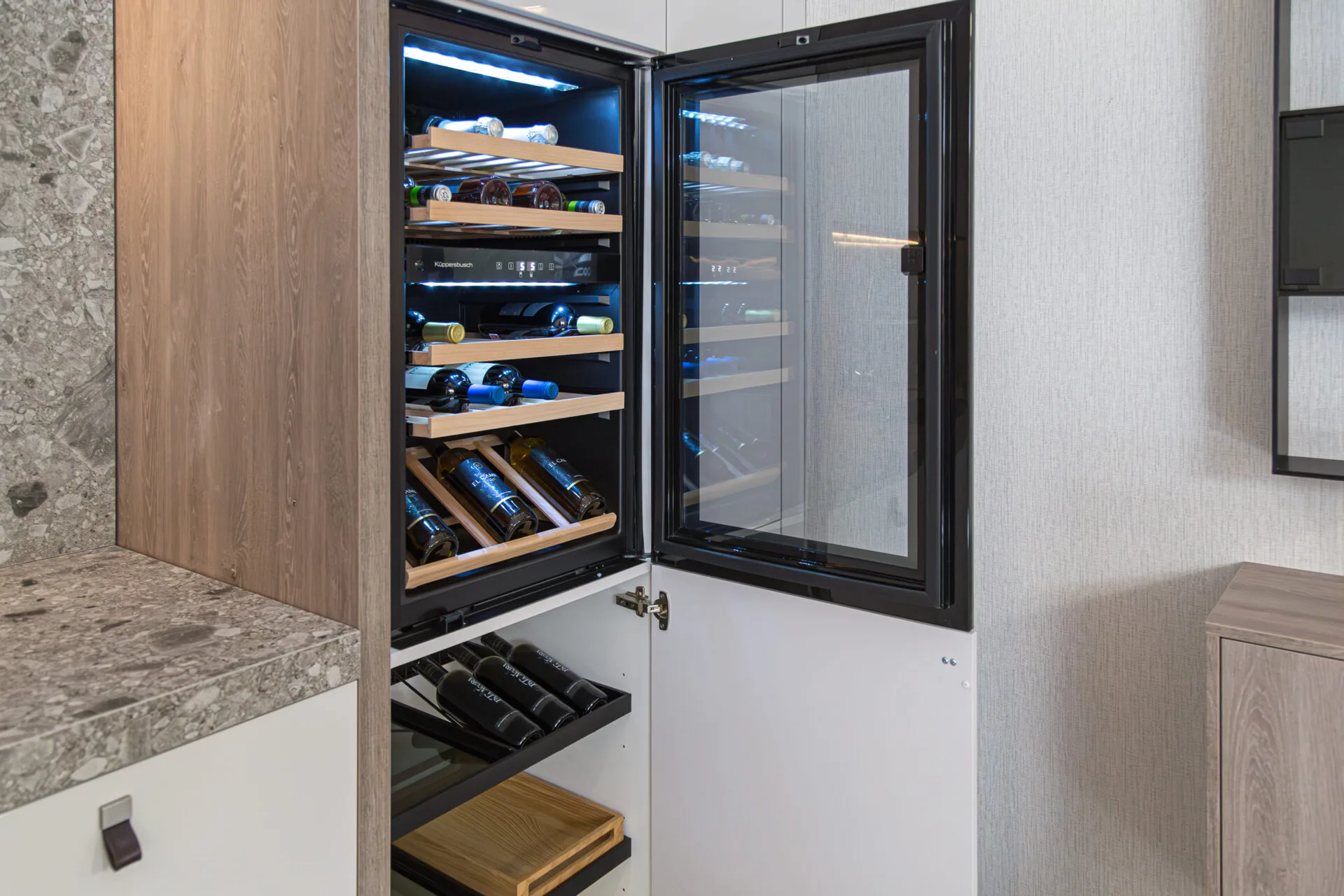
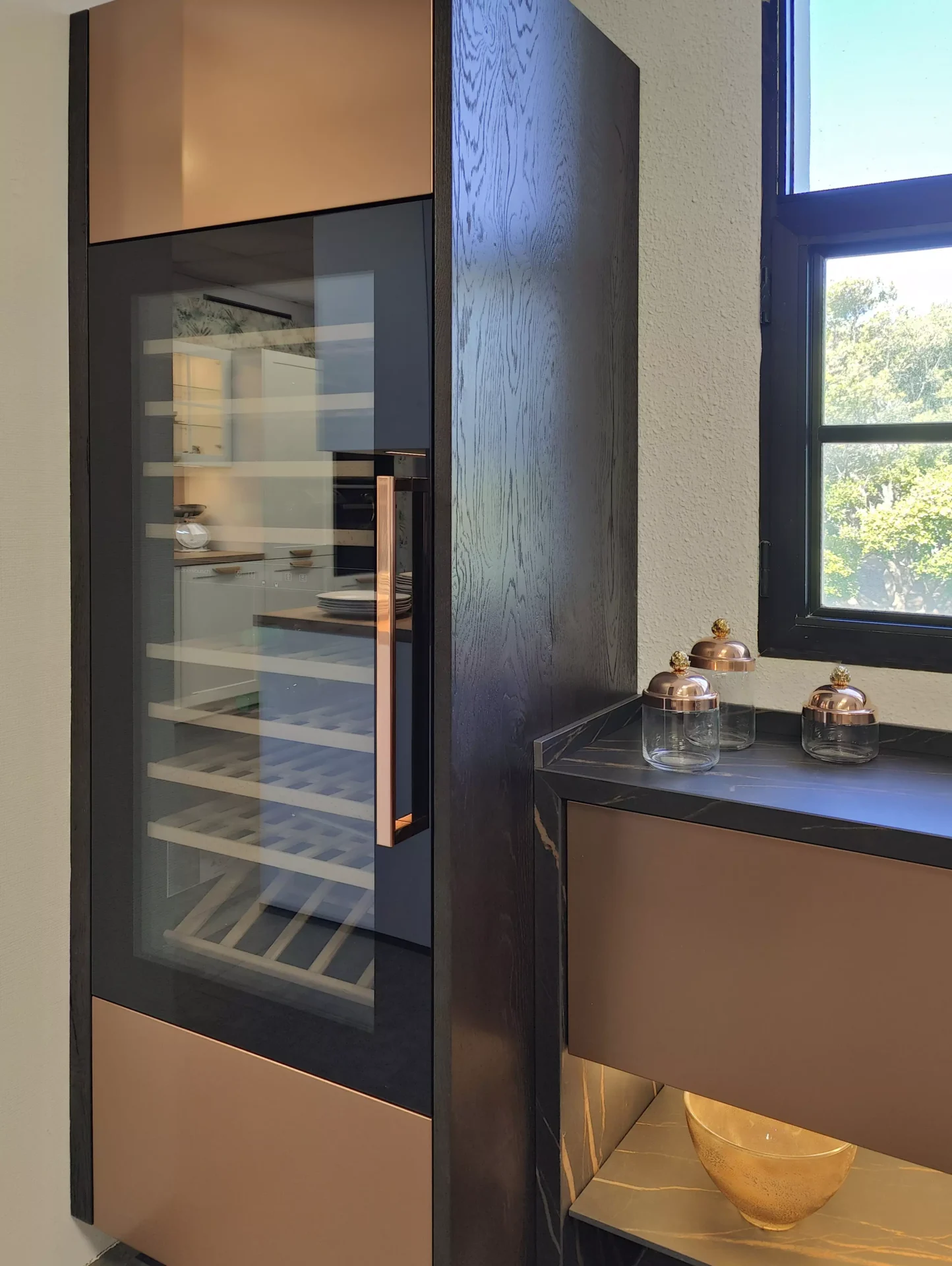
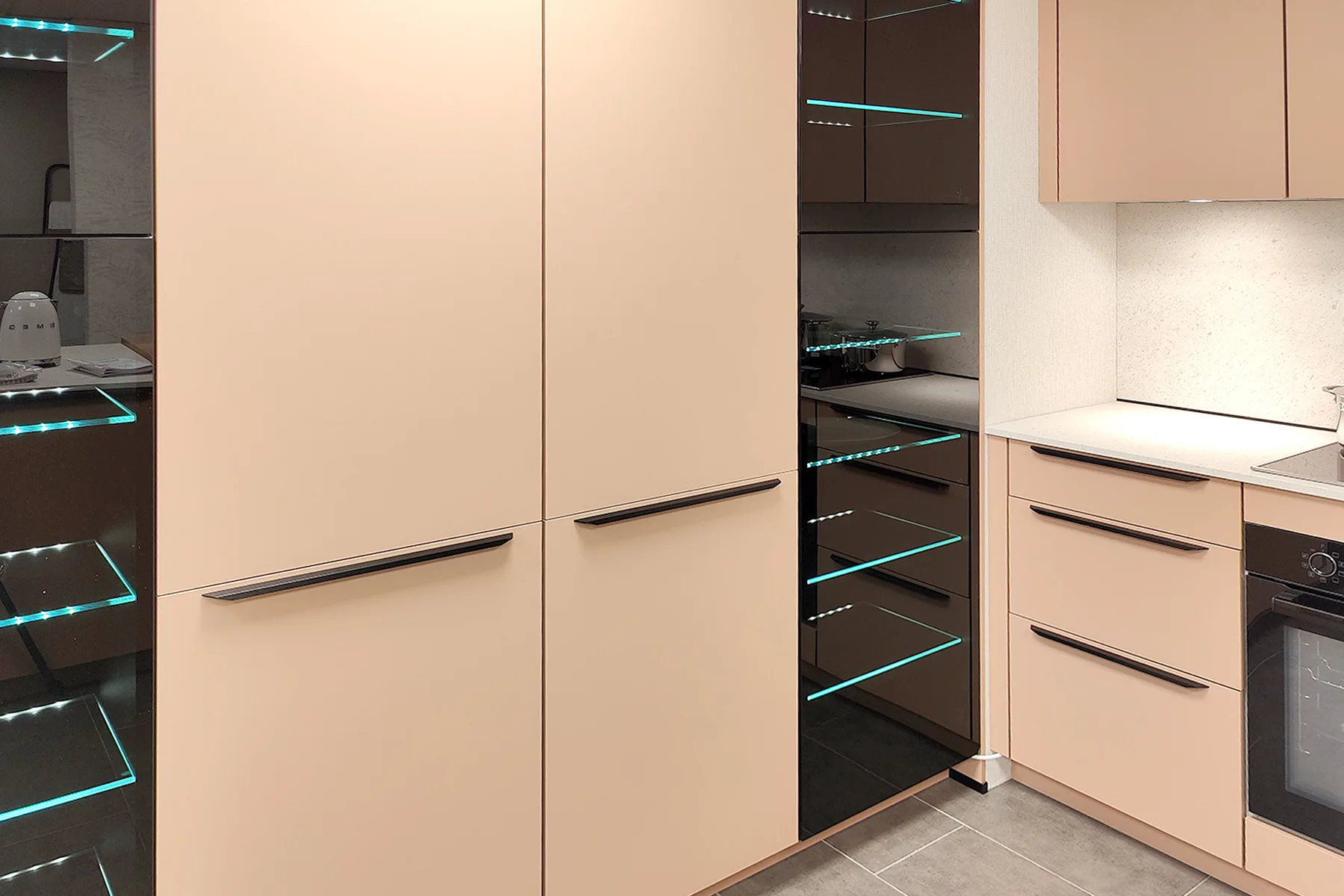
Integrating a wine cellar into the kitchen is not just It adds a touch of elegance, but also allows the wine to be preserved in optimal conditions without taking up too much space. However, for its installation to be functional and efficient, it is essential to consider certain key aspects.

One of the first points to consider is the type of wine cellar. There are models specifically designed to be built into furniture or under the countertopThese units feature a front ventilation system that allows for installation without risk of overheating. Furthermore, Freestanding wine cellars require space around for proper air circulation, which may limit its integration into kitchens with little room for maneuver.
Ventilation is essential for the proper functioning of the appliance. If you choose to For a built-in model, it is essential to ensure that the air outlet is not obstructed by surrounding furnitureIn the case of freestanding wine coolers, it is recommended to leave them in a place with enough space around them to allow for heat dissipation.
Noise and vibration levels should also be considered before choosing a wine cooler. Compressor models typically offer greater cooling capacity, but they can generate more noise and vibration, affecting the wine's stability. In contrast, thermoelectric wine coolers are quieter and vibration-free, although their performance can be affected by ambient temperature.
Regarding capacity and layout, it's important to select a model that suits the user's needs. Small wine coolers are ideal for storing between 6 and 12 bottles, while larger models can hold 30 or more. Removable or sliding shelves make it easy to access the bottles and allow for better organization of different types of wine.
We must not forget the energy efficiencyespecially if the wine cooler will be in continuous operation. Models with a high energy rating (A or higher) reduce electricity consumption and are more sustainable in the long run.
Finally, Design and lighting play an important role in integrating the wine cellar into the kitchenLED lighting is the most recommended option, as it doesn't generate heat and protects the wine from oxidation. Furthermore, there are models with tinted glass doors that filter UV rays, keeping the wine's quality intact.
If you want to integrate a wine cooler into your kitchen, it's important Choose a model that not only fits the available space, but also ensures proper ventilation and blends harmoniously with the surrounding designDepending on your kitchen layout and storage needs, there are different types of built-in wine coolers that can offer an efficient and aesthetically pleasing solution.
One of the The most common option is the under-counter wine coolerDesigned to occupy a similar space to a dishwasher or a compact oven, this type of wine cooler features Front ventilation, allowing installation without compromising heat dissipationIts capacity ranges from 6 to 50 bottles, making it an excellent choice for both wine enthusiasts looking for small storage and those who want a larger collection.
Another alternative is the Column wine cooler, designed to be installed in a tall cabinet alongside other appliances, such as the oven or microwave. This design allows access to the bottles at a comfortable height and improves visual integration with kitchen furnitureHowever, it requires proper planning to ensure that ventilation is not obstructed and that the piece of furniture in which it is embedded is sufficiently strongThe capacity of these models varies widely, from compact units for 12 bottles to larger models that can hold more than 40.
For those looking for a For a more discreet solution, the drawer wine cooler is an innovative and functional optionThis type of wine cooler is installed in a space similar to that of a conventional drawer and allows you to store between 6 and 12 bottles, making it Ideal for small kitchens or for those who wish to maintain a limited selection of wines in optimal condition. Its minimalist design blends easily with the rest of the furnitureadding a touch of sophistication without taking up too much space.
Regardless of the type of wine cooler you choose, it's essential to consider some key factors before installation. First, It is essential to accurately measure the available space to ensure a perfect fit. It is also important Select a capacity that suits your consumption and storage habits, avoiding models that are too large or too small for your needsIn addition, the wine cooler should have front ventilation, especially if it is a built-in model, to avoid overheating problems and ensure efficient operation.
Finally, Design and finishes play a crucial role in integrating the wine cellar with the kitchen's aestheticsThere are models with stainless steel doors, tempered glass, or black finishes, which can perfectly match different decorative styles.